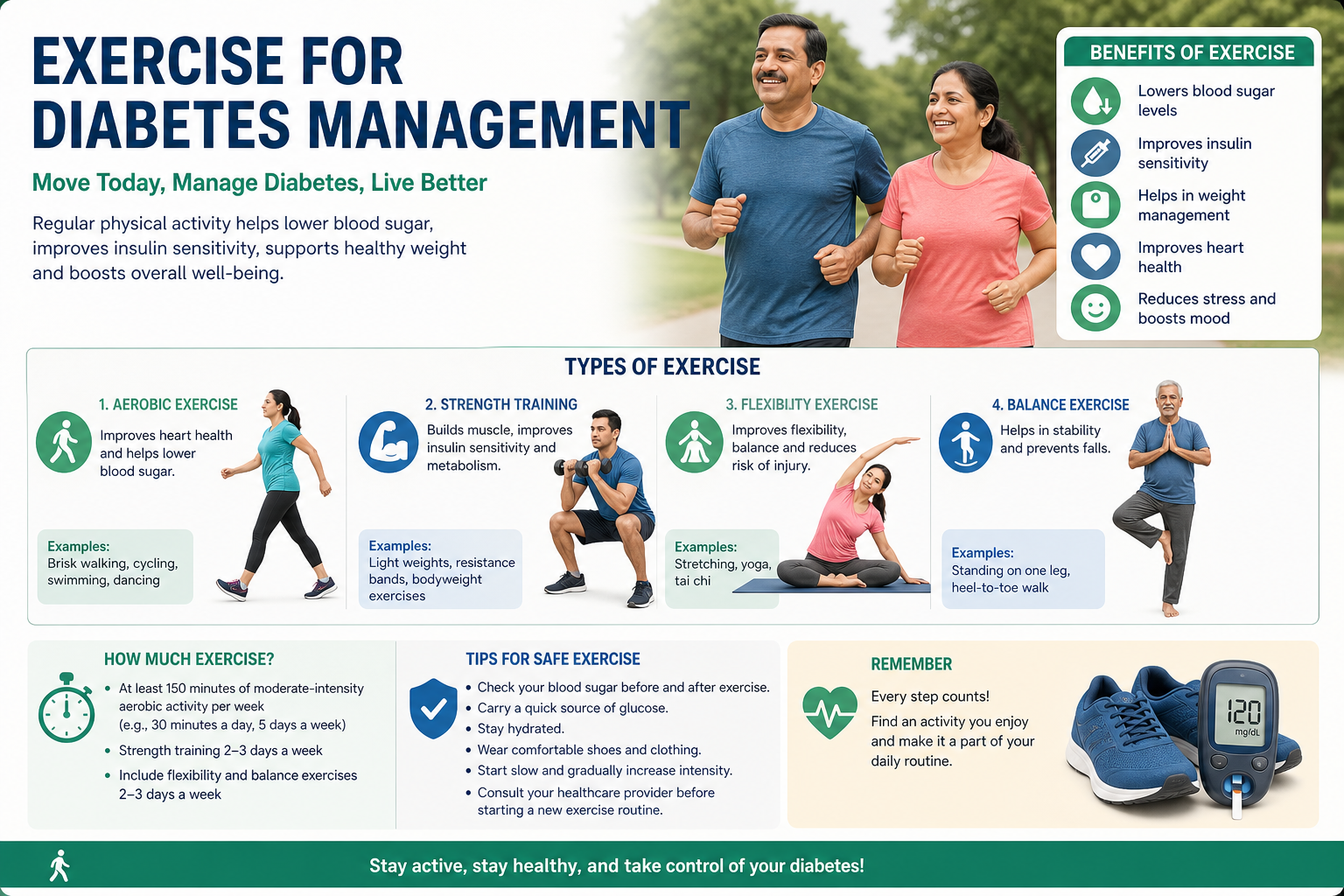
How Tailored Movement Supports Blood Glucose, Strength and Long-Term Health
Managing diabetes is not only about medication and food choices. Movement plays a major role in helping the body use glucose more effectively, supporting heart health, improving strength and reducing the risk of diabetes-related complications.
For people living with type 1 diabetes, type 2 diabetes, prediabetes or insulin resistance, the challenge is often knowing what exercise is safe, how hard to work, when to exercise and how to manage blood glucose around activity. This is where exercise physiology for diabetes management can make a real difference.
At Performance Plus Healthcare Rowville, exercise physiology is available for people who need a safe, structured and personalised approach to improving their health. Performance Plus Healthcare notes that chronic diseases such as diabetes and hypertension can benefit from structured exercise designed to improve heart health and regulate blood sugar levels.
Quick answer: how does exercise physiology help diabetes?
Exercise physiology helps people with diabetes exercise safely and effectively. A personalised program may improve insulin sensitivity, reduce blood glucose levels, support weight management, build muscle strength, improve cardiovascular health, reduce stress and help people feel more confident managing exercise around diabetes.
Diabetes Australia states that regular exercise plays an important role for people with diabetes or those at risk of diabetes, and that exercise can help insulin work better, reduce insulin resistance, lower blood glucose levels, maintain a healthy weight, lower blood pressure, reduce heart disease risk, reduce stress and improve sleep.
Why exercise matters for diabetes management
When you move, your muscles use glucose for energy. Over time, regular physical activity can help your body use insulin more effectively. For people with type 2 diabetes or prediabetes, this can support better blood glucose control and reduce insulin resistance. For people with type 1 diabetes, regular exercise can also support fitness, insulin efficiency and overall health, but it requires extra planning around blood glucose monitoring, insulin and carbohydrate intake.
Diabetes Victoria explains that physical activity can help people with type 2 diabetes keep blood glucose levels in target range, lower blood glucose levels and help the insulin the body makes work better. It also notes broader benefits including healthy weight management, lower cholesterol and blood pressure, improved circulation, better mood and sleep, and increased muscle strength and bone mass.
What does an exercise physiologist do for diabetes?
An exercise physiologist designs exercise programs for people with health conditions, injuries and chronic disease. For diabetes management, this may include an assessment of your current fitness, strength, mobility, balance, medical history, medications, blood glucose patterns, goals and barriers to exercise.
A diabetes-focused exercise physiology program may include aerobic exercise, resistance training, mobility, balance work, education, pacing strategies and advice on how to monitor your response to exercise. Better Health Channel states that an exercise physiologist can develop a personalised exercise plan for people with diabetes.
This is especially helpful if you are unsure how to start, have been inactive for a long time, take insulin or glucose-lowering medication, have had hypos, live with neuropathy, have foot concerns, have cardiovascular risk factors, or feel nervous about exercising alone.
Key benefits of exercise physiology for diabetes management
1. Supports better blood glucose control
One of the biggest benefits of exercise for diabetes is its effect on blood glucose. During activity, working muscles use glucose. After exercise, the body can also become more sensitive to insulin, which may help glucose move from the bloodstream into cells more effectively.
Diabetes Australia says exercise can help insulin work better, reduce insulin resistance and reduce blood glucose levels.
2. Improves insulin sensitivity
Insulin resistance is a major feature of type 2 diabetes and prediabetes. Regular aerobic and resistance exercise can help the body respond better to insulin. This is one reason structured exercise is often recommended as part of long-term diabetes management.
An exercise physiologist can help you choose the right exercise type, dose and intensity, then gradually progress your program so it remains safe, realistic and effective.
3. Builds muscle strength
Muscle is important for glucose management because it helps store and use glucose. Resistance training can improve strength, support joint function, maintain independence and improve confidence with daily activities such as climbing stairs, carrying groceries, gardening and getting up from a chair.
Diabetes Australia recommends muscle-strengthening activities on at least two days per week as part of an active lifestyle for diabetes management.
4. Supports heart health
Diabetes increases the importance of caring for your cardiovascular system. Exercise can support blood pressure, cholesterol, circulation, heart health and overall fitness. Better Health Channel lists improved heart and blood vessel health, lower blood glucose, lower cholesterol and lower blood pressure among the benefits of exercise for people with diabetes.
A tailored program is important because some people with diabetes may also have heart disease risk factors, high blood pressure, vascular disease or other medical considerations.
5. Helps with weight management and body composition
Exercise can help people manage weight, preserve muscle and improve body composition. This is especially helpful for people with type 2 diabetes, prediabetes or insulin resistance.
However, exercise physiology is not only about weight loss. Even when body weight does not change dramatically, regular exercise can still improve fitness, strength, glucose metabolism and cardiovascular health.
6. Reduces stress and improves sleep
Stress and poor sleep can affect blood glucose levels and make diabetes harder to manage. Exercise can be a practical way to support mental health, routine and energy levels.
Diabetes Australia notes that exercise can help reduce stress and anxiety and improve sleep, while Diabetes Victoria also lists improved mood, sleep and mental activity as benefits of physical activity.
7. Helps you exercise safely with diabetes
Safety matters. People with diabetes may need to consider blood glucose levels, medication timing, hypoglycaemia risk, foot care, hydration, footwear, neuropathy, eye health, kidney disease and cardiovascular symptoms.
Better Health Channel recommends having an individualised diabetes management plan and a GP health check before starting exercise. It also advises checking blood glucose levels before, during and after exercise to understand how activity affects them.
What type of exercise is best for diabetes?
The best exercise program is one you can do consistently and safely. For most people with diabetes, a combination of aerobic exercise and resistance training is ideal.
Aerobic exercise may include walking, cycling, swimming, using a treadmill, using a stationary bike, water exercise, dancing or low-impact cardio.
Resistance training may include bodyweight exercises, gym machines, resistance bands, dumbbells, Pilates-based strength exercises or functional movements such as sit-to-stand, step-ups and loaded carries.
Mobility and balance training may be useful if you have stiffness, reduced confidence, neuropathy, falls risk, joint pain or reduced activity tolerance.
Diabetes Australia recommends at least 30 minutes of moderate-intensity physical activity on most, preferably all, days of the week, along with muscle-strengthening activities on at least two days per week. It also recommends breaking up long periods of sitting as often as possible.
How hard should exercise be?
Moderate-intensity exercise usually means your heart rate and breathing increase, but you can still hold a conversation. Diabetes Australia describes moderate intensity as being active enough that your heart beats a little faster and you are “lightly puffing,” while still being able to talk.
An exercise physiologist can adjust intensity based on your blood glucose response, fitness level, medications, blood pressure, injury history and goals. For some people, the safest starting point may be short, gentle sessions. For others, a more structured progressive program may be appropriate.
Diabetes, blood glucose and exercise safety
Exercise is powerful, but it should be planned properly. This is particularly important if you take insulin or medication that can cause hypoglycaemia.
Diabetes Australia advises that people using blood glucose-lowering medication or insulin should check blood glucose before, during and after exercise when starting or changing an exercise routine. It also recommends postponing exercise if blood glucose is below 4 mmol/L until hypoglycaemia has been treated.
Diabetes Victoria also advises people taking diabetes medications or insulin that can cause hypoglycaemia to speak with their doctor or diabetes educator about how to stay safe, and to carry jelly beans or glucose tablets in case blood glucose drops too low.
When should you speak to a health professional before exercising?
You should speak with your GP, diabetes educator, endocrinologist or exercise physiologist before starting a new program if you:
- are new to exercise or have been inactive for a long time
- use insulin or medication that may cause hypoglycaemia
- have frequent hypos or fluctuating blood glucose
- have foot problems, neuropathy or reduced sensation
- have eye, kidney, heart or blood vessel complications
- experience chest pain, dizziness, unusual shortness of breath or calf pain during activity
- are pregnant or managing gestational diabetes
- are recovering from surgery, injury or illness
Better Health Channel advises people with diabetes complications such as eye or kidney problems to check with a diabetes specialist about whether certain types of activity are safe.
Why choose exercise physiology instead of a generic gym program?
A generic gym program may help some people, but diabetes management often needs a more individualised approach. An exercise physiologist can consider your medications, blood glucose response, foot care, cardiovascular risk, joint pain, strength, balance, fatigue, lifestyle and confidence.
This makes exercise more targeted and more sustainable. Instead of guessing what to do, you receive a structured plan with clear goals, progressions and safety strategies.
The NDSS recommends speaking with a qualified exercise professional such as an exercise physiologist or physiotherapist about a resistance program that suits your needs, and suggests asking your GP whether you may be eligible for a Medicare rebate to see an exercise physiologist or physiotherapist.
Exercise physiology in Rowville
If you are looking for a diabetes exercise physiologist in Rowville, Performance Plus Healthcare offers exercise physiology at its Rowville clinic. The clinic is located at 958 Stud Road, Rowville VIC 3178, within the Rowville Health Complex. Performance Plus Healthcare Rowville services Rowville, Lysterfield, Mulgrave, Knox, Waverley, Dandenong and surrounding South Eastern Melbourne suburbs.
The Rowville clinic also offers physiotherapy, women’s health physiotherapy, clinical Pilates, chiropractic and remedial massage on site, making it a convenient allied health location for people managing diabetes alongside musculoskeletal pain, injury, mobility issues or other health goals.
Book diabetes exercise physiology support at Performance Plus Healthcare Rowville
Diabetes management can feel overwhelming, but the right exercise plan can make movement feel safer, clearer and more achievable. Whether your goal is to improve blood glucose control, increase strength, lose weight, reduce stiffness, return to exercise or feel more confident with everyday activity, exercise physiology can help you build a plan that suits your body and your life.
Exercise physiology appointments are available at Performance Plus Healthcare Rowville. The Rowville clinic can be contacted on (03) 9898 2240, and appointments can be made through the clinic’s booking link or by phone.
Medical note: Exercise should complement your diabetes care, not replace it. Speak with your GP, endocrinologist or diabetes educator before changing medication, insulin, carbohydrate intake or your diabetes management plan.
FAQ section
Is exercise physiology good for diabetes?
Yes. Exercise physiology can help people with diabetes improve blood glucose control, insulin sensitivity, strength, fitness, balance, weight management and confidence with movement. It is especially helpful when exercise needs to be adapted around medication, blood glucose levels, injuries or diabetes-related complications.
What is the best exercise for type 2 diabetes?
A combination of aerobic exercise and resistance training is usually recommended. Walking, cycling, swimming, strength training, resistance bands and functional exercises can all be useful. The best plan depends on your current fitness, blood glucose response, medications, injuries and goals.
Can exercise lower blood glucose?
Yes. Exercise can lower blood glucose because working muscles use glucose for energy, and regular exercise can help insulin work better. People using insulin or medications that can cause hypos should monitor blood glucose and speak with their diabetes care team about safe exercise planning.
Should I check my blood glucose before exercise?
Many people with diabetes should check blood glucose before exercise, especially if they use insulin or glucose-lowering medication. Diabetes Australia recommends checking before, during and after exercise when starting or changing an exercise routine if you use blood glucose-lowering medication or insulin.
Can I exercise if my blood glucose is high?
It depends on how high it is, whether you feel well and whether ketones are present. Diabetes Australia advises avoiding strenuous physical activity if you are feeling unwell or have ketones in your blood or urine.
Can exercise help prediabetes?
Yes. Exercise can help improve insulin sensitivity, support weight management and reduce the risk of developing type 2 diabetes. A structured exercise physiology program can help people with prediabetes build sustainable habits before diabetes progresses.
Where can I find diabetes exercise physiology in Rowville?
Performance Plus Healthcare offers exercise physiology at its Rowville clinic at 958 Stud Road, Rowville VIC 3178. The clinic supports people from Rowville, Lysterfield, Mulgrave, Knox, Waverley, Dandenong and surrounding South Eastern Melbourne suburbs.